
Practical wellbeing guidance for everyday life in Finland

Steam drifting through a high north window inside a Finnish bathhouse, a seated bather at the frame's edge

A practical wellbeing guide for adults in Finland

Everyday wellbeing starts with sleep and food

Sleep hygiene, Finnish nutrition patterns, weight management and everyday movement, written for the reality of a dark November Tuesday.

Most people in Finland already know the basics: eat vegetables, move more, sleep enough. The hard part is fitting those habits into a Tuesday in November when it is dark at four in the afternoon and work has run long. This guide is for adults who want practical answers, not another list of rules.

You will not find miracle fixes here. You will find meal ideas built on the national nutrition guidance, season-aware sleep advice, and ways to stay active that do not depend on a gym membership. Start with whichever part of your routine feels most off.

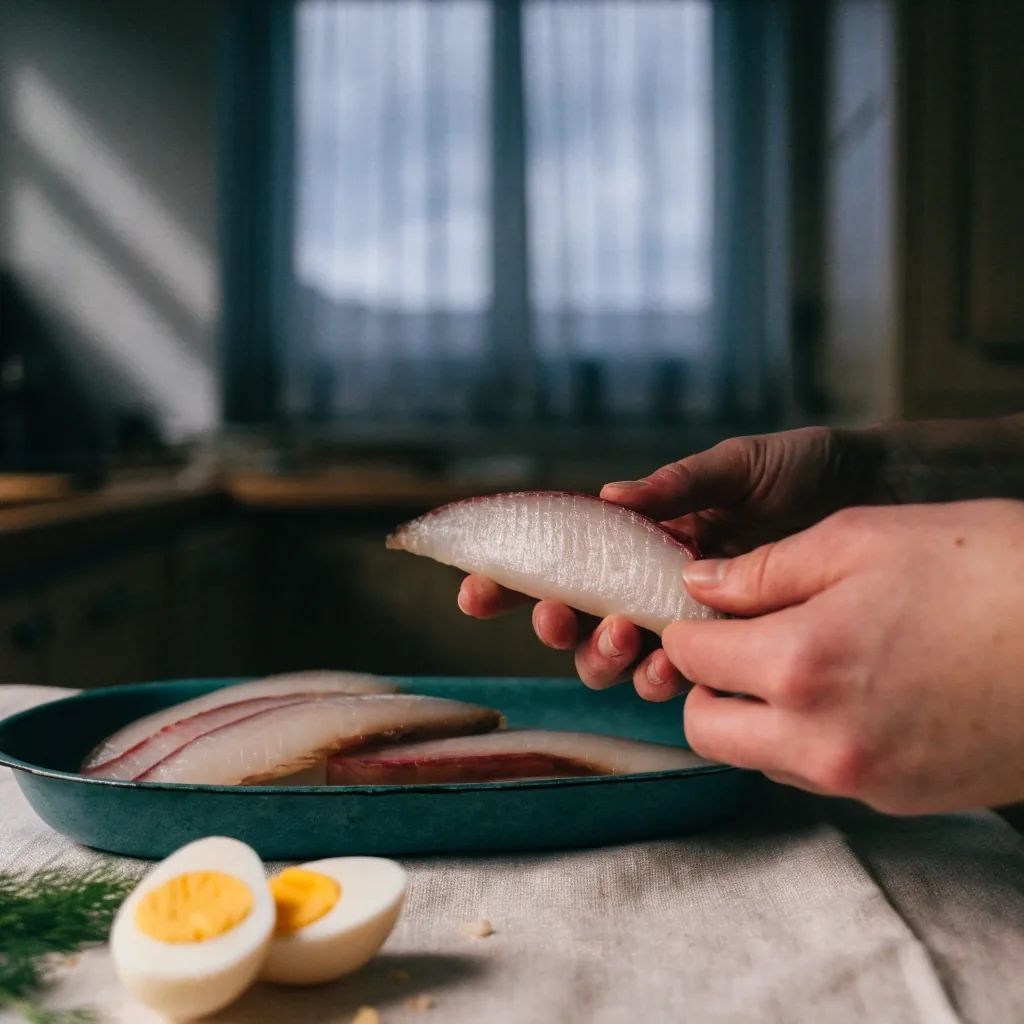
Hands lifting cured fish from a matte enamel tray on a plain cloth
Weeknight cooking in Finland leans on plain, repeatable food: fish a few times a week, rye and oats in rotation, frozen vegetables that keep their value in January.

What this guide covers

We stick to four connected areas: how you sleep, how you eat, how you move, and how those shape how you feel day to day. Food and movement work as patterns rather than single decisions.

Pick one area to adjust first, because changing all of them at once rarely lasts. Sleep duration and sleep behaviour are tracked in national health surveys, and the reasons are obvious once you notice how a bad night changes appetite and mood the next day.

Sleep as the base of the routine

Sleep hygiene is not a gadget or a supplement. It is the set of choices around light, timing, caffeine, and temperature that make falling asleep easier or harder.

In Finland the winter twist is real: mornings stay dark and evenings arrive early, which pushes many people toward later bedtimes and heavier mornings. Our sleep pages cover seasonal adjustment, wind-down routines, and how rest connects to training recovery and stress.

If you only fix one thing this month, protecting a consistent wake time is a strong candidate.

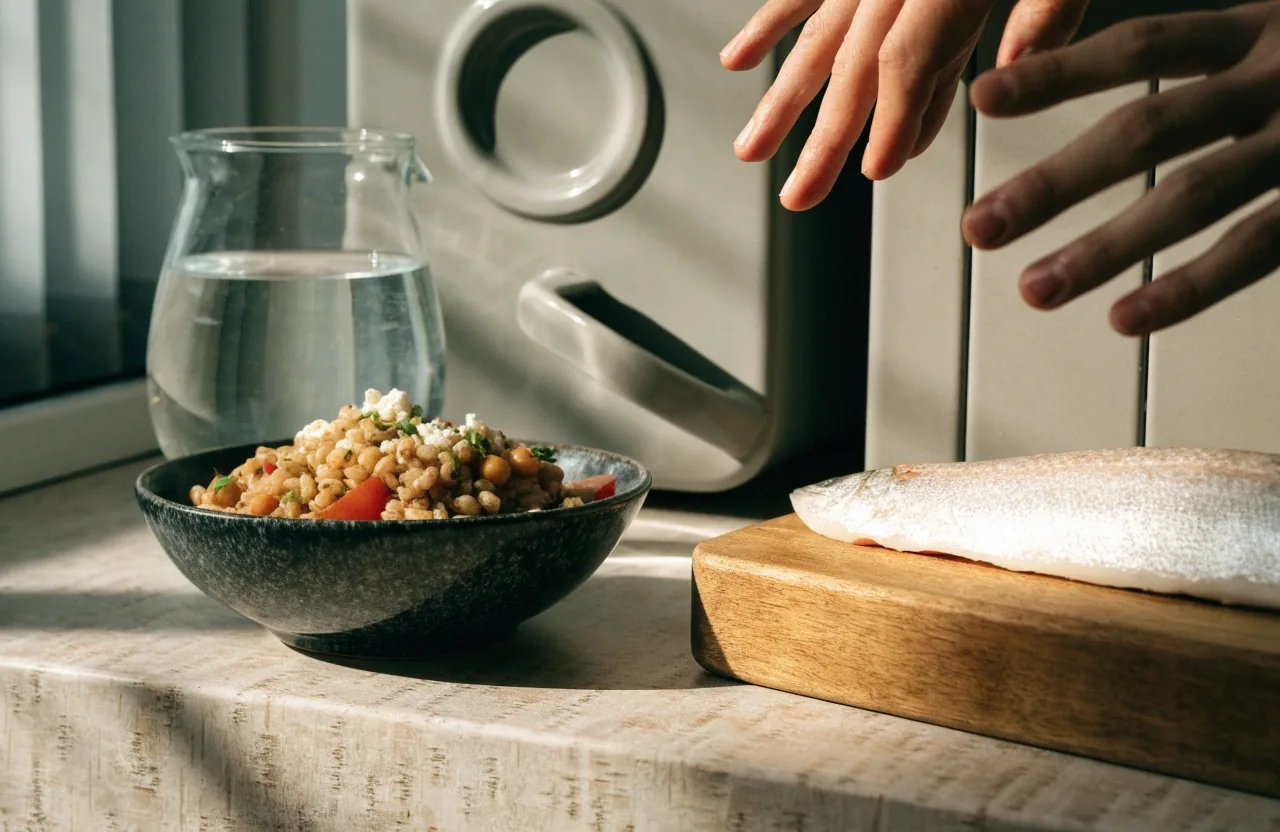
A high-protein grain salad and fresh fish on a kitchen counter in soft afternoon light

Eating the Finnish way

The national nutrition recommendations from THL put vegetables, fruits, berries, healthy fats, and sustainability at the centre, and that is a useful baseline rather than a trend. It means fish a few times a week, rye and oats in rotation, and plant-based meals that are not an afterthought.

Weight management fits here too, framed around meal structure and appetite rather than punishment. We cover everyday nutrition, special diets like keto and vegan, and how to build a high-protein day without overthinking it.
Movement that fits your week

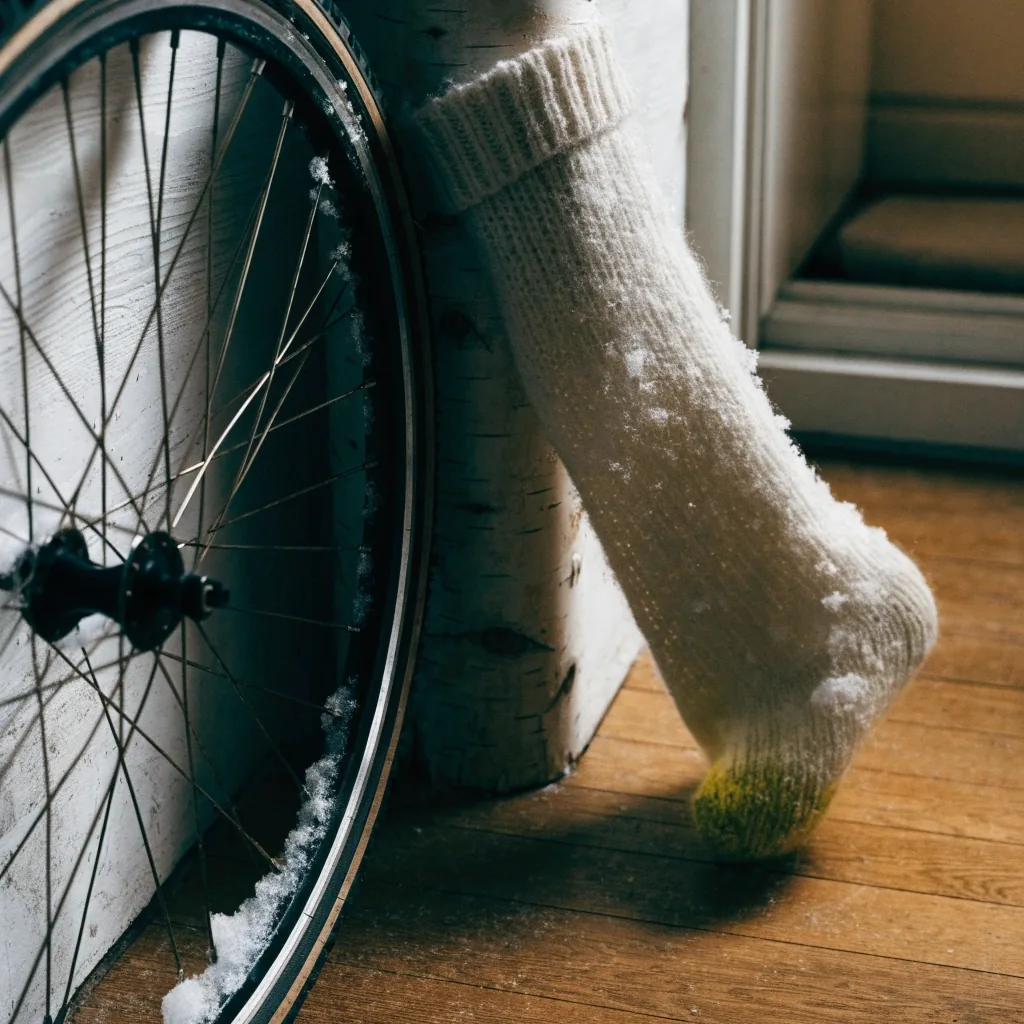
Finland already has high levels of physical activity, and a lot of it is not sport. Cycling to work, walking through snow, and recreational outdoor time count. Small, repeated activity beats an ambitious plan you abandon in February.

Find a movement routine

Where weight management fits

The useful levers are usually appetite, meal timing, protein and fibre, and steady activity, not dramatic short-term cuts. Our role is to lay out the trade-offs honestly so you can judge what suits your life.

A snow-dusted bicycle wheel and wool sock resting against a birch wall in a Finnish hallway

Mental wellbeing and quality of life

Wellbeing is not only physical. Around half of adults in Finland rate their quality of life as good in the latest THL data, which is lower than the 2018 figure. Psychological distress among working-age adults has also drawn attention.

That gap between knowing what to do and feeling able to do it is where everyday routines matter most. Sleep, daylight, food, and movement are not a cure for distress, but they are part of the ground you stand on.

Recovery and stress

Rest is not only sleep. It is how you handle the load between sessions, work weeks, and dark months. If you are pushing hard and sleeping badly, the usual result is a flat, unproductive week.

How to use this site

Read the pages that match your current problem rather than the whole guide at once. If mornings are hard, start with sleep and recovery. If energy dips after lunch, start with everyday nutrition. If you sit most of the day, start with movement. Each page gives you one or two things to try this week, plus context on why they work in a Finnish setting.

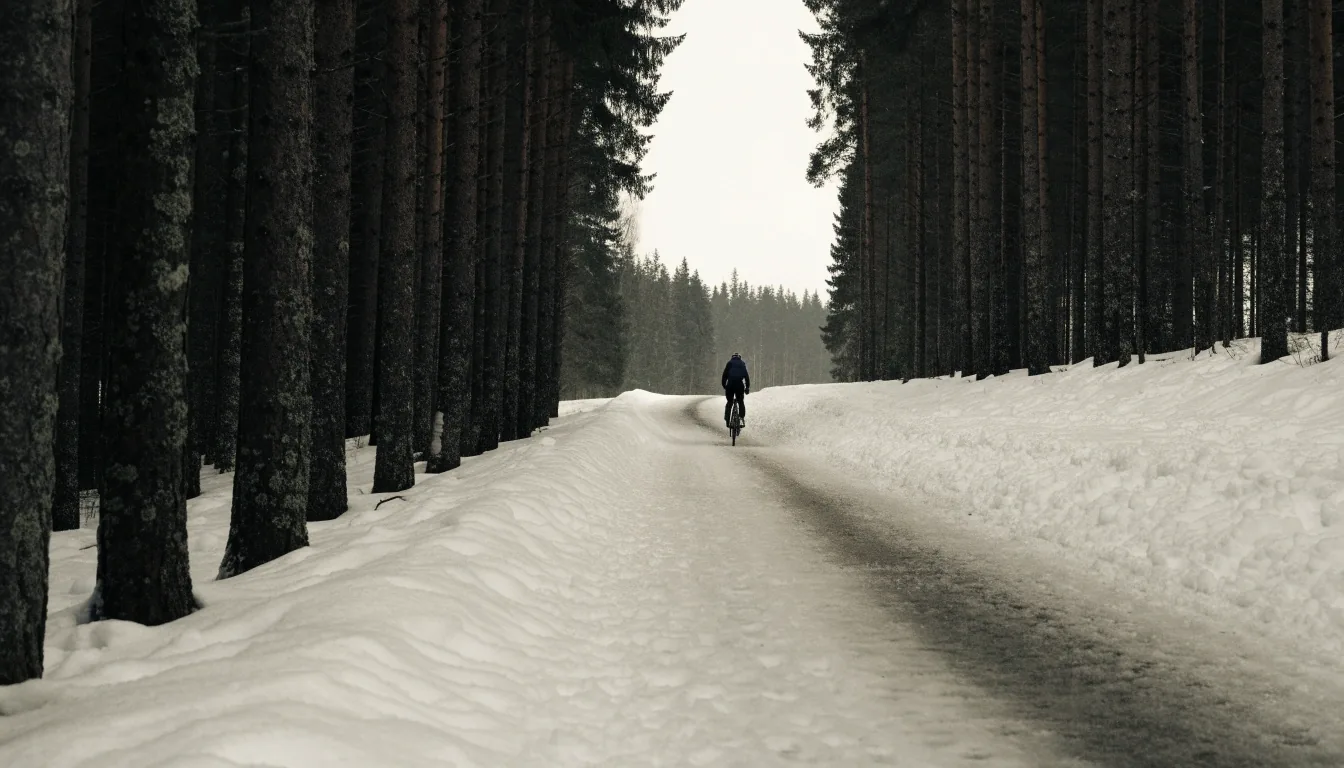
A cyclist riding through fresh snow on a plowed path under a pale overcast winter sky

Seasonality and the Finnish year

Finland asks a lot of a routine across twelve months. Bright summer evenings tempt late nights, while polar darkness pulls energy down and shifts sleep. Spring brings sudden light and more outdoor activity, autumn brings back the desk and the commute.

A habit that ignores the season tends to break when the season changes. We build advice that expects the shift instead of pretending every month is the same — winter tyres and an earlier wind-down in January, a lighter evening meal and a walk after dinner in June.

Food, budget, and everyday cooking

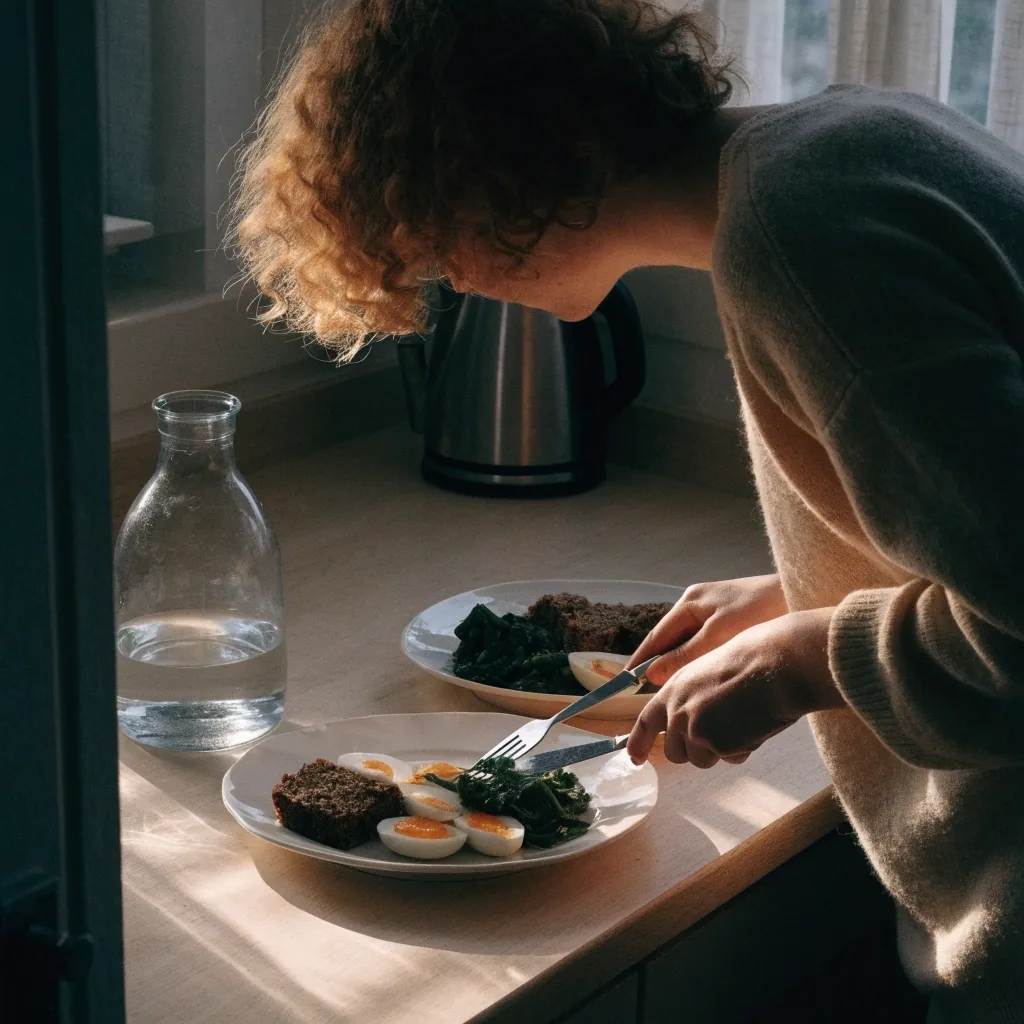
An overhead plate of dark rye, boiled egg and greens on a plain table

Healthy eating in Finland does not require imported superfoods. Frozen vegetables and berries, canned fish, eggs, oats, and seasonal root vegetables cover a lot of ground at a reasonable cost. The national guidance leans on these ordinary items precisely because they are accessible.

Simple home cooking, repeated without boredom, is more reliable than an elaborate weekly menu. We favour meals you can make on a weeknight, after work, when nobody wants a project.

Supplements: where they sit

Supplements are a support act, not the main event. The honest questions are who genuinely needs one, at what dose, and whether food already covers it. Vitamin D is the obvious Finnish case given limited winter sun. Beyond that, treat any supplement as a small addition to a routine that is already working, not a shortcut around one that is not.

Nothing on this site is medical advice. Supplements are not medicines; if you take prescription medication or have a health condition, talk to a qualified professional before adding one.

Questions people ask first

Short answers to the things adults in Finland ask before they read any further.

What does a healthy everyday diet look like in Finland?

The baseline is the national nutrition guidance: plenty of vegetables, fruits and berries, whole grains, healthy fats, and fish a few times a week. Plant-based meals fit comfortably alongside that. Ordinary, repeatable meals matter more than any single ingredient.

How do Finns stay active in winter without a gym?

Everyday activity carries a lot of the load: cycling with the right tyres, walking, and outdoor recreation. Finland already records high physical activity levels, and much of it is not structured exercise. Planning for cold and dark makes it easier to keep going.

How can sleep and stress be improved during dark seasons?

Protect a consistent wake time, get outdoor light early in the day, and keep evenings calmer. Finnish sleep research covers duration, behaviour, and seasonal issues, so treat the dark months as a known challenge rather than a personal failure.

Is keto, vegan, or high-protein eating more realistic for Finnish routines?

It depends on your goal and your kitchen. Keto and vegan formats are both growing in Finland, and high-protein eating is common in the fitness market. Each has trade-offs in cost, planning, and social meals. Our special diets page compares them side by side.

Start with the page that matches your week

If mornings are hard, begin with sleep and recovery. If energy dips after lunch, begin with everyday nutrition. If you sit most of the day, begin with movement. Read about the guide itself if you want to know who writes this and how the advice is put together.

Reach the guide desk

Questions about a page, a source, or a topic you would like covered next are welcome.

Mannerheimintie 42, 00100 Helsinki, Finland

+358 40 123 4567

[email protected]

Monday to Friday, 9:00 AM – 6:00 PM