
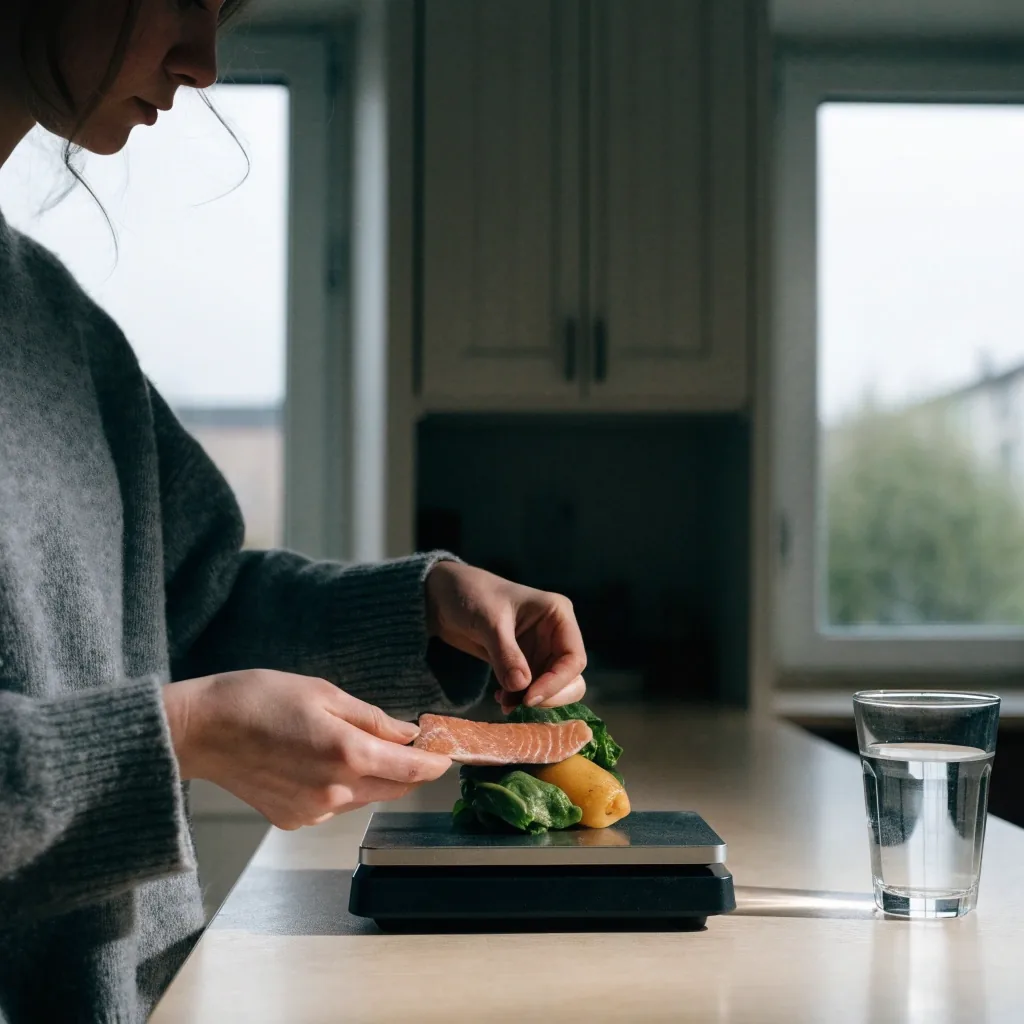
An English-language wellbeing guide for adults in Finland
About this wellbeing guide
Sleep hygiene, everyday nutrition, weight management and active living — written so you can use a page this week, not next year.
Send us a topic suggestionWho writes the guide
The editorial team writes for adults living in Finland who want clear information in English. Some readers moved here and are working out how Finnish food and seasons fit their routines. Others grew up here and want a plain answer without marketing noise. We write for both, and we avoid assuming a gym membership, a specific budget, or a particular diet.
That means a page about winter eating talks about the vegetables that actually keep in a Finnish kitchen in January, and a page about sleep talks about the light that comes back in March. The advice is meant to be read by a person with a normal week, not by a reader who has already reorganized their life around a plan.
Advice that sounds imported tends to fall apart by November.
Why we focus on Finland
Generic wellness advice often ignores the setting, and in Finland the setting changes everything. Winter light is limited, summer evenings are long, and everyday activity is built into a lot of normal life. The national nutrition guidance reflects local food culture and public health priorities, so we start from that shelf rather than from whatever travels well internationally.
- Light and season through the year Sleep and mood pages
- What is actually in season and on the shelf Everyday nutrition
- Moving around a city that is dark half the year Active living
- National nutrition guidance as the starting point Sources we follow
How we choose topics
Topics come from real questions people ask: what a healthy everyday diet looks like here, which supplements matter, how to stay active in winter, and how sleep and stress hold up in the dark months. We prefer subjects with a practical angle and a local dimension. If a topic only works as a slogan, we leave it out.
A subject earns a page when three things are true. A reader could act on it within a week. It changes something depending on where you live in Finland or what month it is. And there is a real source to check, whether that is national nutrition guidance, public health data, or everyday practice that people recognise.
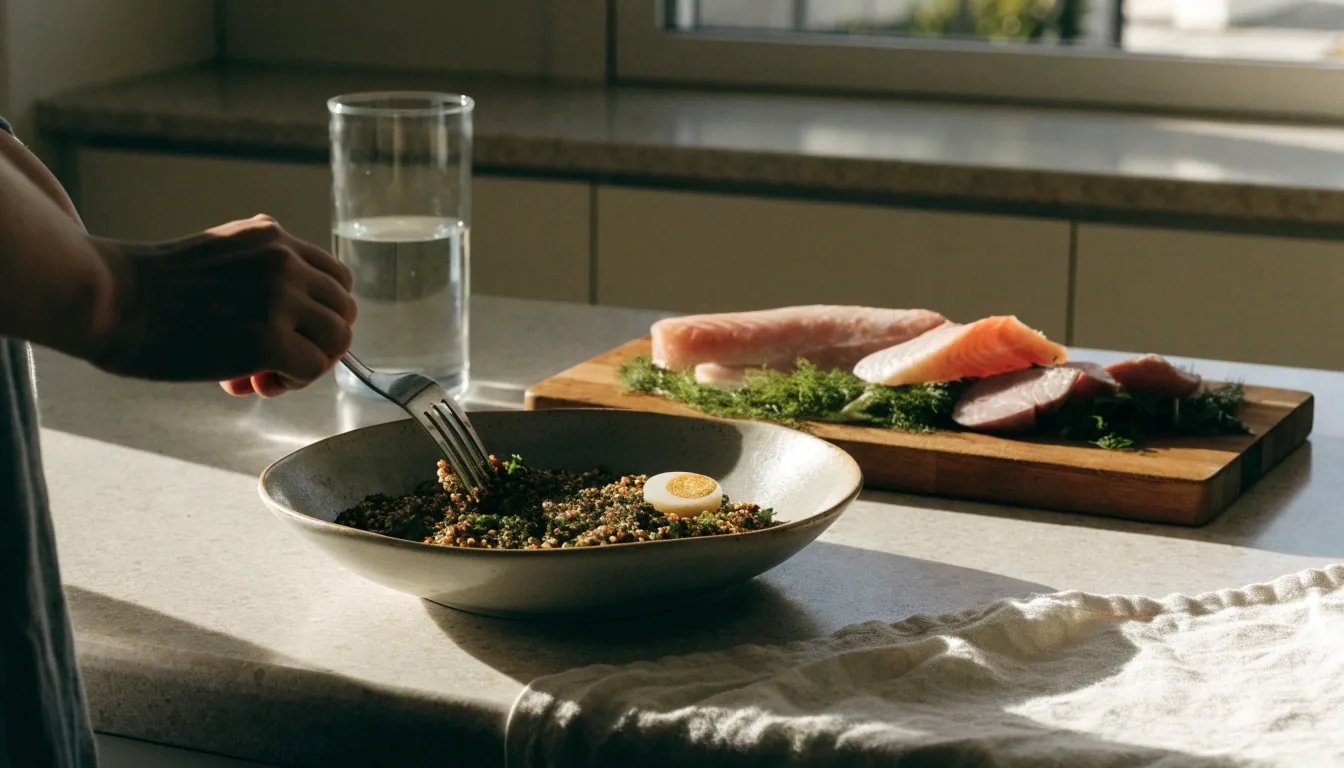
What we cover in practice
We work across four connected areas rather than treating them as separate tracks. Sleep and recovery, everyday nutrition, movement and active living, and the mental side of wellbeing through quality of life. Weight management and special diets such as keto and vegan eating sit inside those. Supplements get covered in context, not as the headline — usually as one item inside a page about food, sleep, or training, with a clear note on what the evidence does and does not say.
The four areas connect more than they look. A short night changes appetite, which changes what you reach for at three in the afternoon. A walk outside in daylight affects how the evening feels. We try to write about those connections instead of pretending each topic lives alone.
Sleep & recovery — light, routines, and what actually helps in the dark months.
Everyday nutrition — what a routine plate looks like here, weekdays and weekends.
Movement — walking, cycling, snow, and staying active when motivation dips.
Quality of life — mood, stress, and the mental side that holds the rest together.
Our editorial approach
We write in plain English, with concrete examples from Finnish life. Where national guidance or survey data exists, we describe it accurately instead of dressing it up. We cannot diagnose, prescribe, or replace a doctor or dietitian, and we do not pretend otherwise. If a question needs clinical input, we say so and point you toward it.
- Plain language first Short sentences, normal words, and examples a reader in Helsinki or Oulu would recognise from their own week.
- Sources we can name National nutrition guidance and public health reporting are described as they are, with the limits of that information left visible.
- Clear about our limits We do not diagnose or prescribe. Where a question belongs with a doctor or dietitian, the page says so instead of guessing.
- Context for supplements Where a supplement earns a mention, it sits inside a page about food, sleep or training — never as a standalone promise.
Keeping information current
Nutrition guidance and public health data are updated over time. When national recommendations or wellbeing figures change, our relevant pages should follow. We review content with the Finnish year in mind, since seasonal advice goes stale at a different pace than general advice. If you spot something that reads as out of date, tell us.
Seasonal advice goes stale at a different pace than the rest of the guide.
Read our contact detailsWhat this guide is not
We are not a supplement store, a clinic, or a diet programme. There are no before-and-after transformations here, and no promises about how quickly anything will change. We do not publish invented testimonials or ratings. The guide is reading material, and the decisions stay with you and, where needed, your healthcare professional.
If a page ever drifts toward promising an outcome, that page has failed its own rule. Practical context — what a change looks like in a normal week, what can get in the way, when to ask someone qualified — is the most we can honestly offer from a reading page.

Independence and advertising
The guide is editorial. We do not let advertisers shape what we write, and we do not publish paid rankings of diets, foods, or supplements. Recommendations are based on general guidance and practical fit, not on commercial relationships. If that ever changes, this page will say so plainly.
Feedback and corrections
Readers catch things editors miss, especially when it comes to how advice lands in real Finnish life. If a section is unclear, wrong, or missing your situation, write to us through the contact page. We read the messages, and corrections that improve accuracy get priority over new topics.
Read our contact detailsHow to read the guide
Start with the topic closest to your current problem rather than reading front to back. Each page stands on its own and gives you something to try within the week. Come back as your routine changes or the season shifts. The guide works best as a reference you return to, not something you finish.
Where to go next
Send us a topic suggestion
If a question keeps coming up in your own week and the guide does not answer it, that is exactly the kind of note we want. Mention the situation you are in and what you were hoping to find.
Send us a topic suggestionStart wherever you are right now
Pick the page that matches the problem in front of you. You can always come back here to see how the guide is put together, how topics are chosen, and how the editorial approach holds up when advice is easy to sell and harder to verify.